Table Games That Improve Competitive Performance
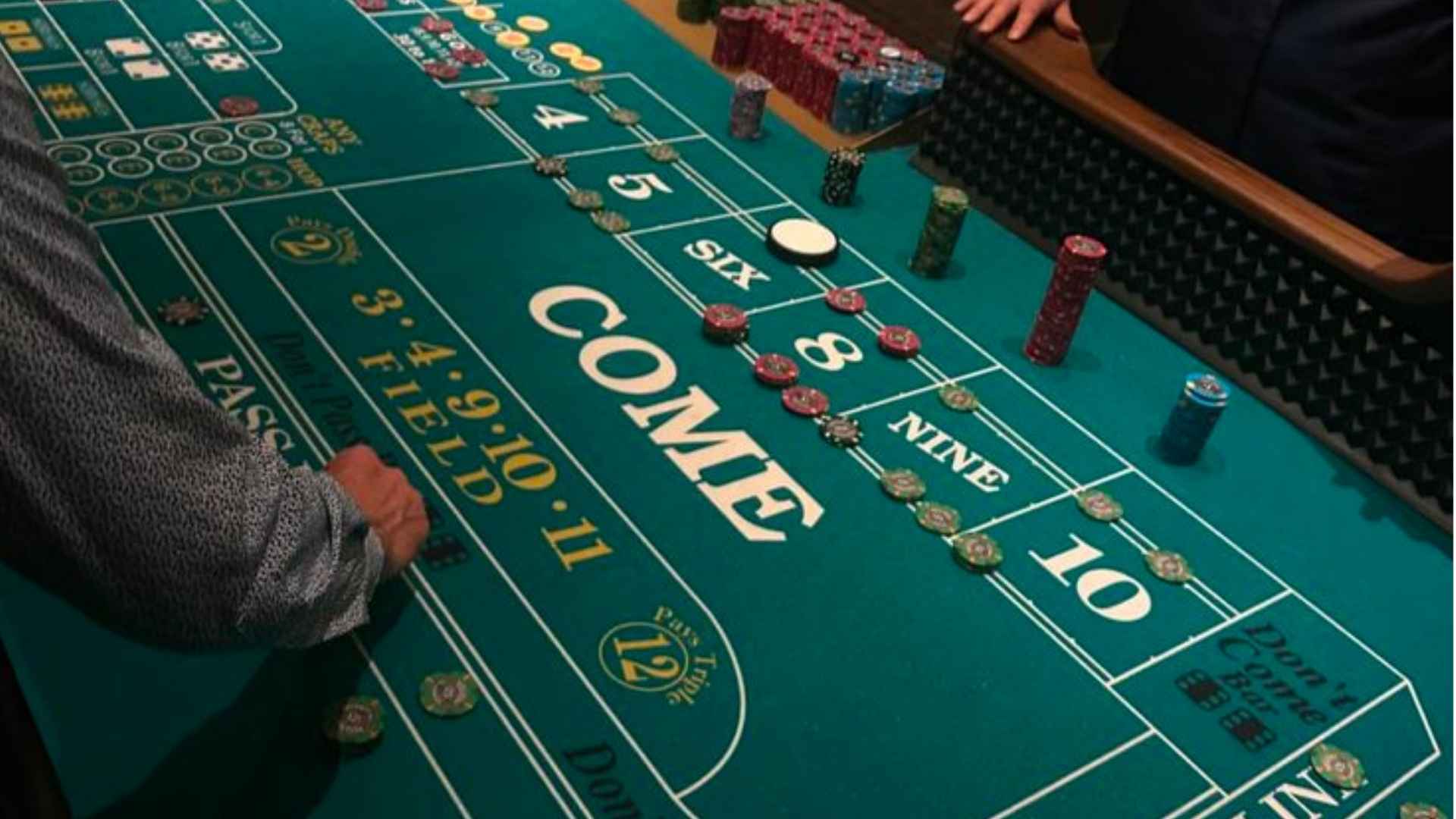
Competitive success is often built on a foundation of sharp cognitive skills, quick decision-making, and emotional control. While many athletes focus solely on physical training, a growing number of competitors are turning to table games to hone their mental agility. Engaging with strategic board and card setups regularly serves as an exceptional mental workout that translates directly into high-pressure real-world arenas.
Sharpening Tactical Thinking Through Chess
Chess has long been celebrated as the ultimate battlefield of the mind, demanding extreme foresight and calculated positioning. Every single movement requires a player to anticipate their opponent's response several steps in advance, which builds intense logical reasoning skills. This deep level of analytical planning actively trains the brain to remain calm and focused when confronting complex challenges in everyday competitions.
Additionally, chess teaches players the critical value of sacrifice and resource management under tight time constraints. By learning to balance immediate risks with long-term strategic goals, individuals develop a more disciplined approach to problem-solving. This high-level mental conditioning directly enhances a competitor's ability to execute complex strategies under immense pressure.
Developing Psychological Resilience in Poker
Poker is unique because it forces players to master the art of reading human behavior while managing incomplete information. Success in this game relies heavily on mathematical probability, emotional control, and the ability to detect subtle behavioral patterns. It teaches competitors how to assess risks accurately and make highly rational decisions even when faced with high levels of uncertainty.
For individuals looking to test their tactical skills in dynamic environments, checking out platforms like M88 sports can provide excellent opportunities to observe strategic play. Learning when to bluff and when to fold builds an elite level of emotional resilience that prevents panic during critical moments. This emotional maturity is a powerful asset in any professional or athletic setting where split-second choices determine the final outcome.
Improving Spatial Intelligence and Coordination
Fast-paced table games like table tennis or air hockey offer a fantastic physical and cognitive workout for competitive individuals. These games demand instant reflexes, exceptional hand-eye coordination, and rapid spatial awareness to counter an opponent's quick attacks. Regular play actively stimulates the nervous system, helping competitors process visual information faster and react with greater precision.
Furthermore, the high-speed nature of these physical matchups forces players to trust their instincts and make rapid adjustments on the fly. This active form of sensory stimulation not only sharpens immediate reaction times but also increases overall cognitive flexibility. Consequently, players find themselves much better equipped to handle dynamic, fast-changing situations in their respective competitive fields.
Enhancing Teamwork and Communication
Cooperative tabletop games require players to coordinate their actions, share resources, and communicate clearly to achieve a common objective. This collaborative environment fosters deep interpersonal trust and teaches individuals how to delegate tasks based on specific player strengths. Competitors quickly learn that cohesive teamwork is far more effective than isolated individual efforts.
By regularly practicing these collaborative dynamics, players refine their verbal and non-verbal communication skills in a low-stakes environment. This structured interaction translates perfectly into professional team settings where clear communication is vital for success. Ultimately, mastering cooperative tabletop strategies helps build highly versatile leaders who thrive in collaborative team sports.